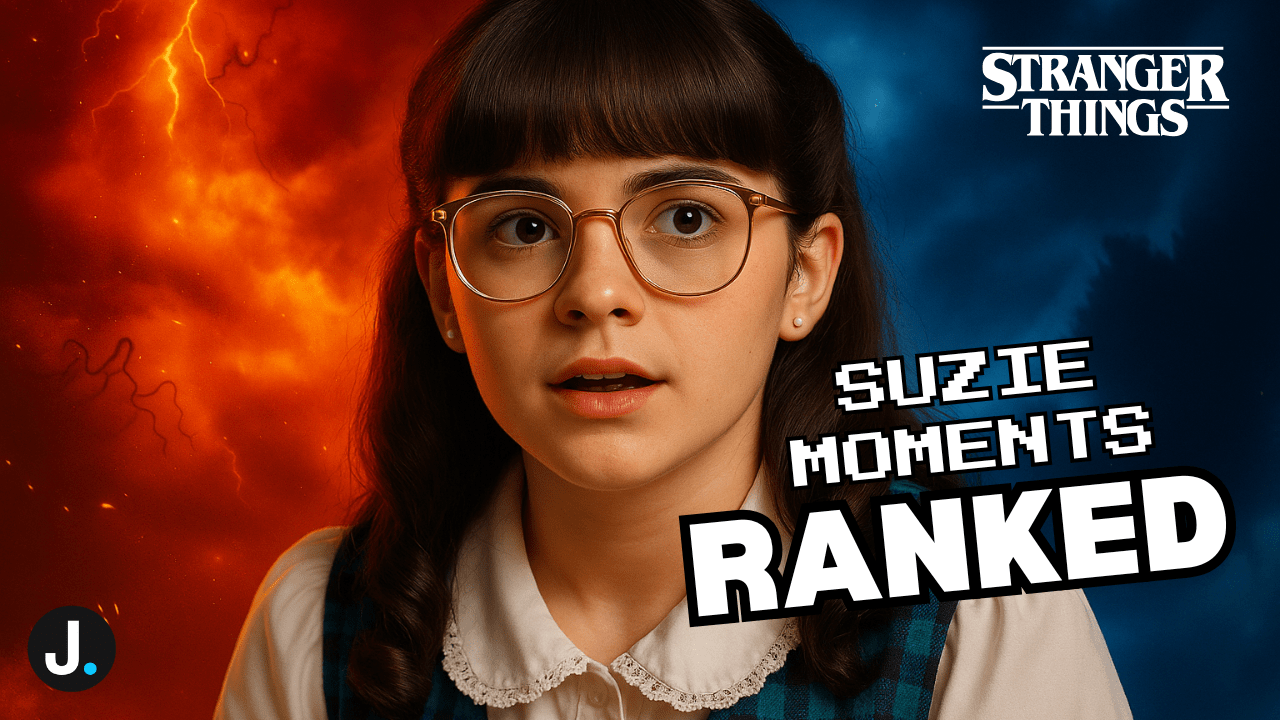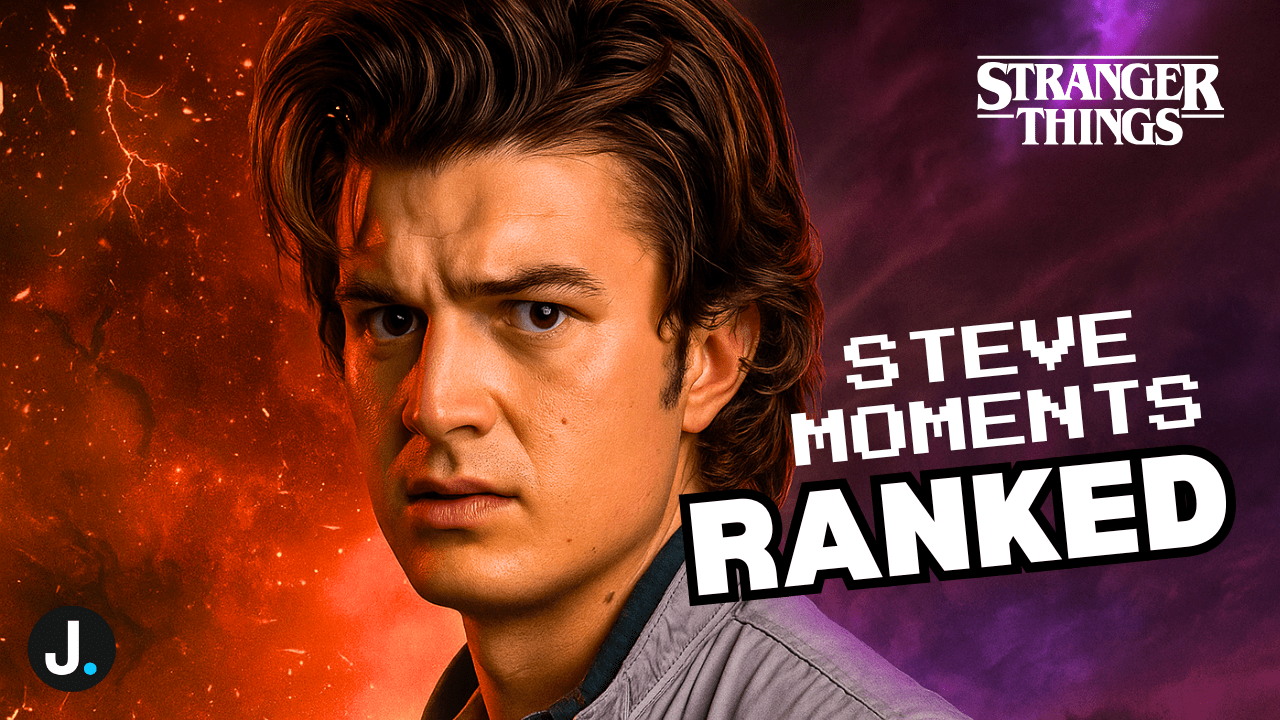
From the very first episode of Stranger Things, Matt Duffer and Ross Duffer established Hawkins, Indiana, as a small town with big secrets. When Will Byers disappeared in Season 1, audiences were introduced to the Upside Down, a parallel dimension teeming with shadowy monsters, toxic air, and an ever-present sense of dread. The town’s quiet streets and retro neon lights became the perfect stage for a narrative that blends horror, sci-fi, and a slice of 1980s nostalgia.
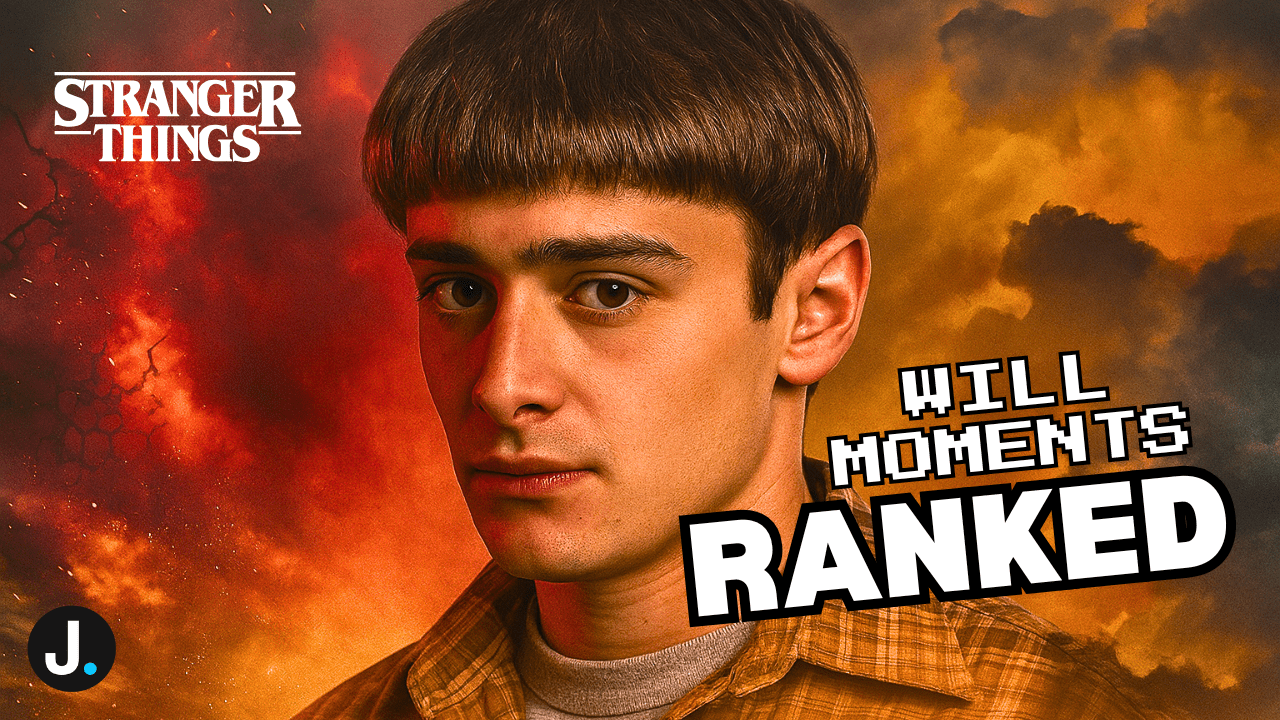
The show quickly distinguished itself by showing that the Upside Down was more than a creepy mirror world. It reflected the fears and traumas of its central characters, particularly Eleven, whose life had been shaped by unethical experiments at Hawkins National Laboratory. Her telekinetic powers and complex emotional landscape provided a lens through which viewers could explore the human cost of these supernatural events. Each venture into the Upside Down—whether by Will, Mike, or their friends—became a metaphorical journey, highlighting the inner battles each character faced.
As seasons progressed, the stakes escalated. Season 2 introduced the Mind Flayer, a colossal, hive-minded entity that could control human hosts, while Season 3 expanded on government conspiracies and corporate greed with the Starcourt Mall as the site of interdimensional horrors. The Upside Down became a recurring antagonist in its own right, with evolving threats that mirrored the maturation of the characters themselves. The terror of facing these creatures intertwined with their emotional development, reinforcing that survival in Hawkins required not only bravery but empathy and strategy.
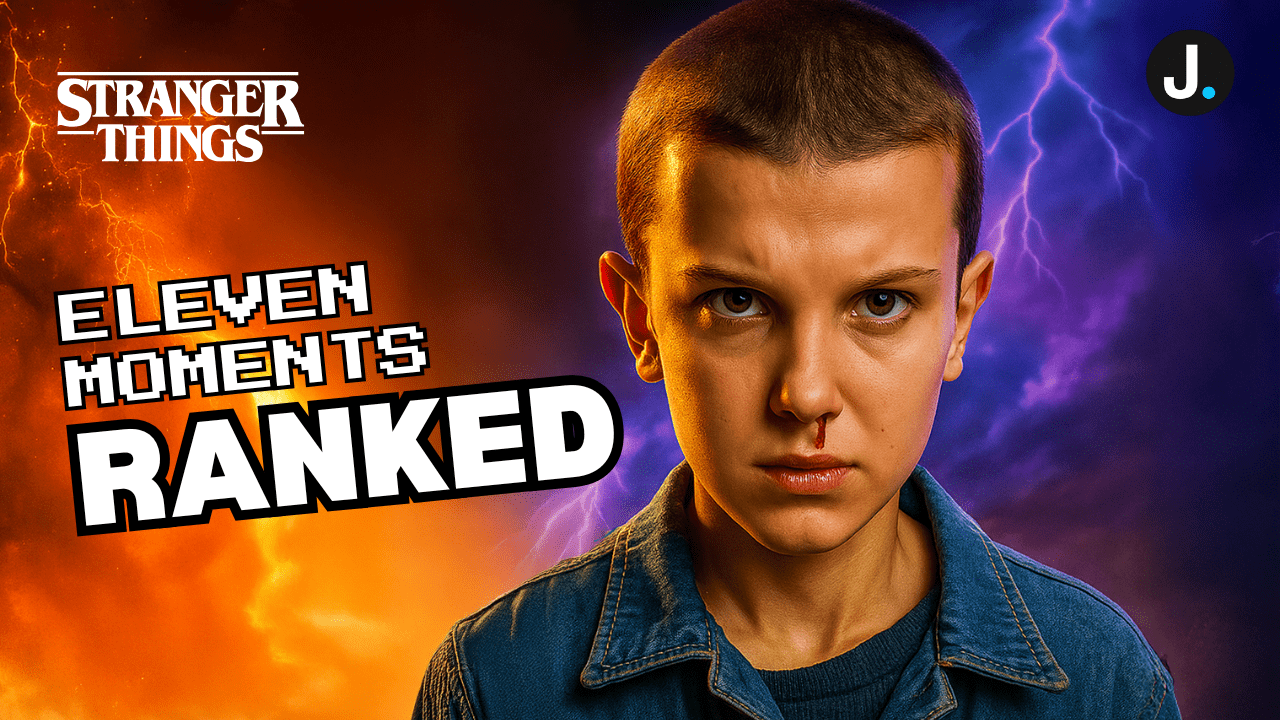
The evolution of Stranger Things has been as much about its characters as the monsters they face. From innocent kids playing Dungeons & Dragons in basements to young adults confronting existential threats, the cast grows with the story. Eleven, Mike Wheeler, Will Byers, Max Mayfield, Dustin Henderson, and Lucas Sinclair have transformed from wide-eyed adventurers to battle-hardened survivors. Each adversary—Demogorgons, Mind Flayers, and eventually Vecna—challenges both their skills and their sense of self.
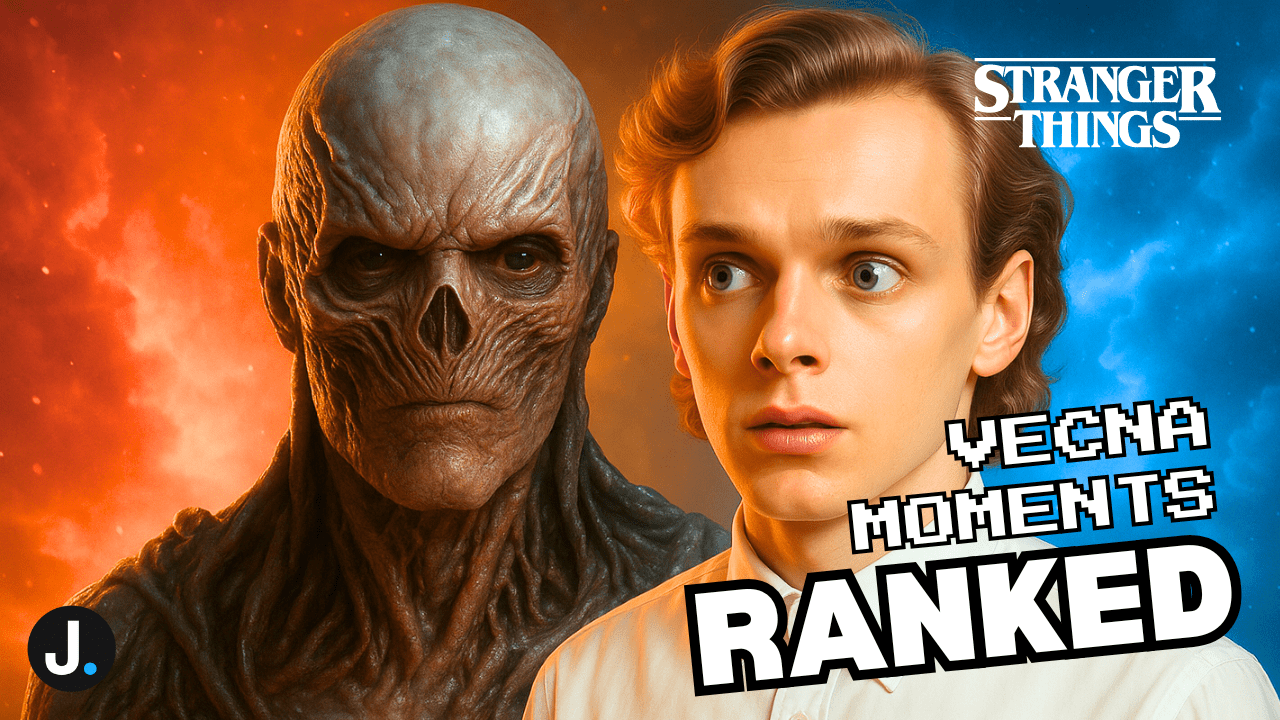
Season 4 introduced Vecna, a terrifyingly manipulative villain who operates on a personal and psychological level, targeting trauma in Hawkins’ teens. Unlike previous threats, Vecna is as much about mental manipulation as physical danger, emphasizing the series’ ongoing focus on the emotional consequences of supernatural events. Eleven’s confrontation with Vecna, particularly her admission of vulnerability in moments like “I can’t help you,” adds layers to the narrative that go beyond the usual monster-versus-hero trope.
Meanwhile, supporting characters have grown in significance. Eddie Munson, played by Joseph Quinn, became a breakout star despite a short arc. His bravery, charisma, and tragic end at the claws of Demobats highlight how the show rewards loyalty and courage, even in the face of inevitable loss. Characters like Hopper, Joyce, and even secondary players have layered the story with family dynamics, love, and personal sacrifice. In Hawkins, everyone matters, and the show’s genius lies in showing that heroism is communal, not individual.
What Fans Can Expect in Stranger Things Season 5
With Season 5 arriving in November 2025, Hawkins is poised for the ultimate confrontation with the Upside Down. The Duffer Brothers have carefully seeded unresolved plotlines and emotional arcs that promise a climactic resolution. Questions linger: What is the true origin of the Upside Down? How will Vecna’s control be challenged? And how will the friendships and relationships forged over the seasons survive this final test?
Fan theories abound, fueled by the rich lore and playful connections to Dungeons & Dragons. The show has a history of blending pop-culture references, suspenseful horror, and heartfelt moments, making the possibilities for Season 5 virtually limitless. Some fans speculate on character resurrections, secret betrayals, or alliances that could shift the balance of power. Others focus on thematic closure, anticipating that the final episodes will tackle the psychological and emotional scars left by years of interdimensional horror.
The final season will also likely emphasize the consequences of previous victories. Each battle against the Upside Down has exacted a cost, whether it was personal trauma, loss of innocence, or strained friendships. Season 5 has the opportunity to explore these consequences in a way that feels earned, showing that while Hawkins’ heroes may survive, they are forever changed.
The narrative tension comes not only from the supernatural threats but also from the human stakes. How will friendships evolve under extreme pressure? Will loyalties hold when characters are tempted by fear or power? As viewers, we are invited to reflect on courage, resilience, and moral choices, drawing parallels between Hawkins’ struggles and our own experiences of loss, growth, and confrontation with the unknown.
Stranger Things’ Cultural Impact and Enduring Legacy
Beyond its story, Stranger Things has cemented itself as a cultural touchstone. Its nostalgic nods to 1980s pop culture, from John Hughes films to Stephen King-inspired horror, resonate with both older audiences and younger viewers discovering these influences for the first time. The show’s blend of humor, heart, and horror ensures that it appeals across generations.
Merchandising, fan art, cosplay, and online communities demonstrate the show’s expansive influence. Fans engage deeply with the narrative, dissecting every episode for Easter eggs, thematic connections, and character development. This engagement turns watching the series into an interactive experience, where speculation and creativity are as much a part of the fandom as the episodes themselves.
Season 5’s finale promises to be more than a simple conclusion; it will be the culmination of years of storytelling, world-building, and emotional investment. Hawkins may face its most dangerous adversaries yet, but the emotional payoff, character arcs, and potential for redemption or transformation are what make the finale compelling. The legacy of Stranger Things lies in its ability to marry nostalgia with innovative storytelling, delivering suspense, emotional resonance, and cultural commentary simultaneously.
As the final season approaches, fans are preparing not only to witness the climactic battles but also to celebrate the human stories that have driven the series. From Eleven’s journey of self-discovery to the communal heroism of the kids, adults, and even fringe characters like Eddie Munson, Hawkins remains a rich narrative universe. Its appeal lies in its combination of relatable struggles and fantastical horrors, showing that even in a world full of monsters, friendship, bravery, and resilience endure.
Why Stranger Things Continues to Captivate
In the end, the epic battle against the Upside Down is a lens for exploring much larger themes: fear, trauma, friendship, loyalty, and the complexities of growing up. Stranger Things thrives because it balances suspense and horror with humor, empathy, and nostalgia. Its final season promises to deliver high stakes, emotional payoffs, and surprises that will satisfy long-time fans while inviting new viewers to experience Hawkins’ magic for the first time.
Whether it is the creative use of Dungeons & Dragons references, the careful layering of horror and emotion, or the compelling character arcs that span five seasons, Stranger Things demonstrates the power of storytelling that honors its audience’s intelligence and emotional investment. Season 5, with its promise of epic battles, moral dilemmas, and resolution for beloved characters, marks the culmination of a narrative journey that has redefined the possibilities for supernatural drama on television.
For those counting down the days to November 2025, the anticipation is electric. Hawkins, Indiana, stands as a testament to courage, curiosity, and friendship in a world that bends the rules of reality. The battle against the Upside Down may soon conclude, but the legacy of Stranger Things, with its monsters, mysteries, and emotional resonance, will linger long after the credits roll.